The She-Wolf Who Founded Rome
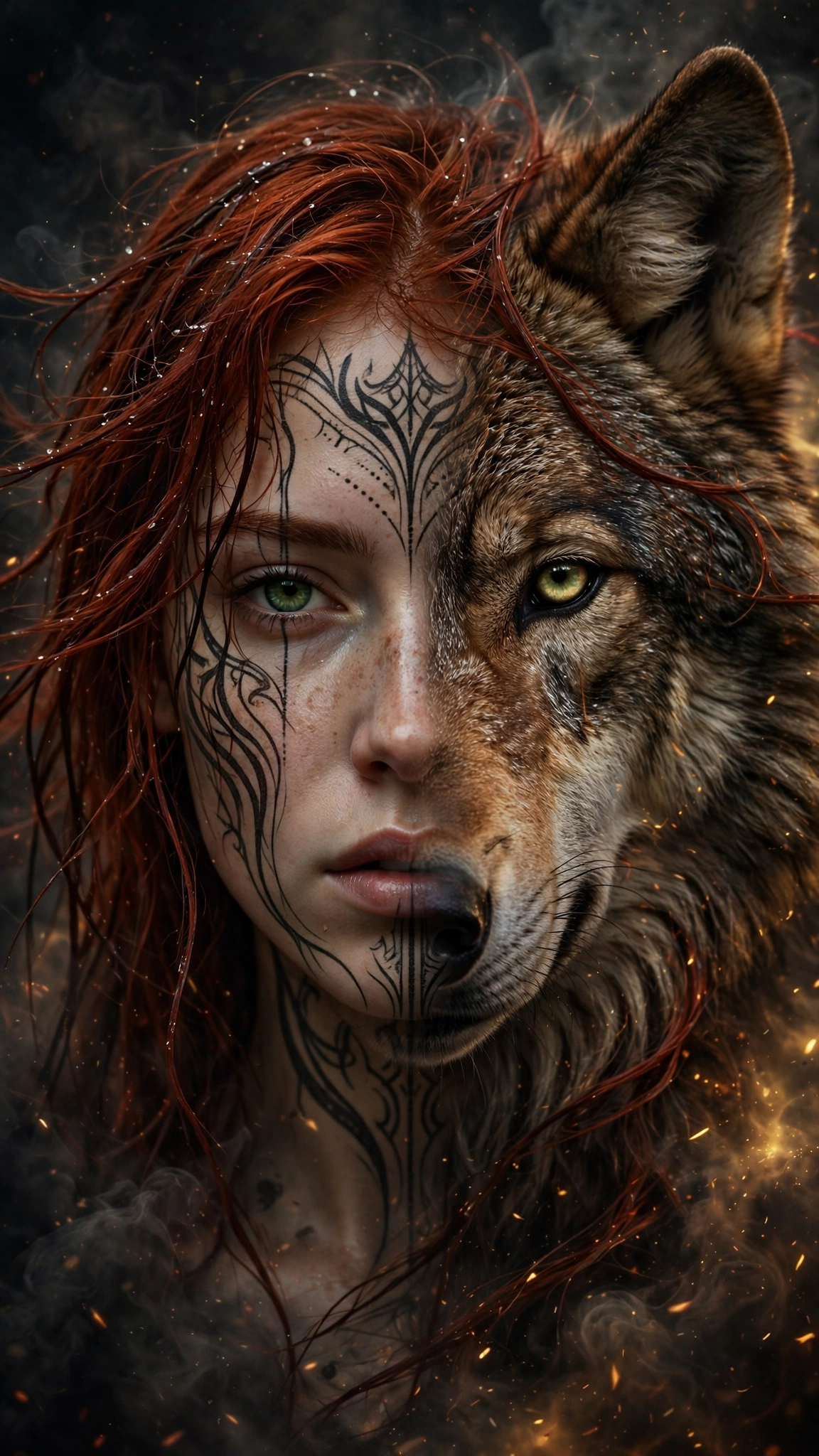
Before Rome had walls, it had a mother — and she was not a queen. She was a wolf.
The old story says two infant brothers, Romulus and Remus, were thrown into the Tiber by a usurper who feared their bloodline. The river refused the order. It laid them in the shallows at the foot of the Palatine Hill, and there the she-wolf found them — a wild animal, fresh from her own loss, who did the most unnatural and most sacred thing a predator can do: she lay down and fed them as her own.
Think about what Rome chose as its founding image. Not a battle. Not a coronation. A she-wolf, standing over two human children, in the bronze that still watches from the Capitoline Hill today. The empire that would swallow the known world put a mother-beast at its cradle and never apologized for it.
I chose her as my emblem because she is the whole of my law in one animal. She is wild and she is tender, and she refuses to choose between them. She nurses what is helpless without becoming tame. She protects without a master, provides without permission, and answers to no throne — she is the throne's oldest rival and its first guardian at once.
Every pack I build, I build under her sign. The lost ones get fed first. The loyal ones get my teeth between them and the world. And nobody — no king, no crowd, no storm — tells a she-wolf what she is allowed to love.
Rome was not founded by the strongest army of its age. It was founded by a wolf who decided two abandoned children were worth her milk. Empires rise on decisions like that. So do I.